A custom food dehydrator project can be simple or complicated depending on what you want to change. Adding a logo to the front panel is one level. Adjusting tray capacity, voltage, control panel, packaging, material, airflow, and certification is a much bigger project.
For importers, distributors, and private label brands, the goal is not only to get a sample that looks right. The goal is to build a product that can be produced repeatedly, shipped safely, and sold with fewer complaints.
Here is what to check before placing an OEM or ODM food dehydrator order from China.
1. Define the Market Before Defining the Machine
The first step is not selecting a model. It is defining your market.
A dehydrator for a home kitchen in Europe is different from a commercial unit for a fruit farm in Southeast Asia. A pet snack brand may need a different tray structure from a herb processor. A distributor may need several models at different price levels.
Before contacting the factory, prepare a basic market brief:
- Target country or region
- Buyer type
- Expected retail or wholesale price range
- Main materials to be dried
- Preferred capacity
- Voltage and plug
- Certification expectations
- Packaging style
- Order quantity
This helps the manufacturer recommend a model instead of guessing.
2. Choose the Right Base Model
A custom project should usually start from an existing base model. Starting from a proven structure reduces development risk and shortens the production timeline.
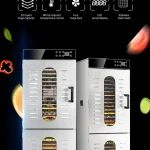
For UCK, the product range includes home food dehydrators, commercial food dehydrators, industrial food dehydrators, rotary food dehydrators, and food slicer machines. This gives buyers several base structures to work from.
A home model may be suitable for retail and private label channels. A commercial model may be better for farms, restaurants, and small workshops. An industrial or rotary model may be better for buyers who need higher output or more even drying.
When selecting a base model, compare:
- Tray count
- Tray size
- Tray spacing
- Power
- Temperature range
- Timer range
- Fan structure
- Machine dimensions
- Package dimensions
- Net and gross weight
Do not choose only by appearance. A beautiful machine that cannot dry your target material evenly will create after-sales problems.
3. Confirm Customization Scope
Not every custom request affects the same part of production. Some changes are simple. Others require engineering review, mold changes, certification updates, or longer lead time.
Common food dehydrator customization options include:
- Logo printing
- Front panel design
- Control panel language
- Packaging artwork
- Instruction manual
- Plug and voltage
- Tray material
- Tray quantity
- Cabinet color
- Product label
- Gift box or shipping carton
More advanced customization may include airflow structure, special temperature programs, multi-zone control, app functions, or model structure changes. These should be discussed early because they can affect cost, testing, and delivery time.
UCK’s company materials mention a 12-person R&D team and OEM/ODM production capability. For buyers, that means customization should be handled as an engineering discussion, not just a logo conversation.
4. Check Materials Used in Food Contact Areas
For a food dehydrator, the tray is not a minor accessory. It is one of the parts customers touch and clean most often.
UCK’s product selling-points sheet highlights food-grade 304 stainless steel trays on many models, stainless steel body construction, corrosion resistance, and safer contact with ingredients. These are useful selling points for private label buyers because end customers increasingly care about food contact safety and cleaning.
Before confirming a custom order, ask:
- What material is used for trays?
- Can the trays contact food directly?
- Are tray edges smooth?
- Can the tray handle heavier ingredients?
- Is the cabinet stainless steel or another material?
- Can the factory provide material details for your product listing?
Strong materials can improve both product life and customer confidence.
5. Review Control System and User Experience
The control panel is one of the first things customers notice. It also affects returns and support questions.
Many UCK models use LED touch screens, digital timers, and microcomputer temperature control. The general food dehydrator selling points mention 30 to 90 degrees Celsius temperature adjustment, 30-minute to 24-hour timer control, automatic shutdown, and over-temperature protection.
For a private label product, decide how simple the interface should be. A professional buyer may prefer precise settings. A home user may prefer presets. A commercial kitchen may want quick operation and easy cleaning.
Ask whether the control panel can support:
- Your preferred language
- Custom icons
- Brand logo
- Countdown display
- Preset programs
- Temperature and timer memory
- Safety warning labels
Small interface details can make a large difference in customer reviews.
6. Plan Certification Before Mass Production
Certification should be discussed before the sample is approved. If a model needs CE, FCC, RoHS, ETL, PSE, UKCA, FDA-related registration support, or other documentation, the factory must confirm what is available for the exact model.
UCK’s company profile materials mention CB, FCC, RoHS, FDA, CE, PSE, ETL, UKCA, and ISO9001 quality management. Buyers should request the relevant certificate or test report based on the destination market and product model.
Ask these questions:
- Which certificates apply to this model?
- Does the certificate cover the same voltage and configuration?
- Can the product label show required marks?
- Do packaging and manuals need compliance information?
- Will private label branding require additional testing?
Do not assume that one certificate covers every variation.
7. Check Quality Control and Inspection Process
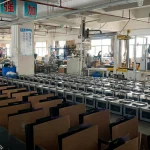
Quality control should be visible in the production process. UCK’s company materials mention a full-process quality inspection system, staff training, customer complaint management, nonconforming product control, and corrective prevention procedures.
For custom orders, confirm what the factory checks before shipment:
- Appearance
- Power-on function
- Heating performance
- Timer function
- Control panel response
- Fan operation
- Temperature protection
- Accessories
- Packaging
- Carton label
For large orders, consider pre-shipment inspection. It is much easier to solve a problem before loading than after the goods arrive in another country.
8. Confirm Packaging and Delivery Details
Custom packaging is part of the product. It affects brand image, shipping safety, warehouse handling, and customer experience.
Ask the factory for:
- Gift box or brown carton options
- Foam protection structure
- Carton size
- Loading quantity
- Product label format
- Barcode position
- Manual language
- Spare parts packing
UCK’s company materials mention its own carton production and supply chain support. That can help buyers control carton consistency, cost, and lead time, especially for repeat orders.
The company information also notes a typical delivery cycle of 15 to 30 days. Always confirm final timing based on model, customization, packaging, and order quantity.
9. Start With a Sample Review Checklist
When the sample arrives, do not only check whether the logo looks correct. Test it like your customer will use it.
Use this checklist:
- Does the plug match the target market?
- Does the control panel match the confirmed design?
- Do trays fit smoothly?
- Does the door close properly?
- Does the timer work as expected?
- Does the machine heat evenly?
- Is the noise acceptable?
- Is the manual clear?
- Is the packaging strong enough?
- Are labels and accessories correct?
Send feedback with photos and short notes. Clear feedback helps the factory correct details before mass production.
FAQ:
Yes. UCK supports OEM and ODM projects, including logo, packaging, control panel, voltage, plug, manual, and model configuration, depending on the selected model and order quantity.
Prepare target market, quantity, voltage, plug type, tray capacity, material requirements, packaging needs, certification requirements, and any special functions you want.
Many projects can include control panel customization, such as logo, icons, language, and display style. More advanced changes may require engineering review.
UCK’s company materials mention 15 to 30 days as a typical delivery cycle. Final lead time depends on model, order quantity, customization, packaging, and production schedule.
Choosing the right partner is crucial; you can learn more about how to choose a food dehydrator manufacturer here